Mixed-Media Animal Craft
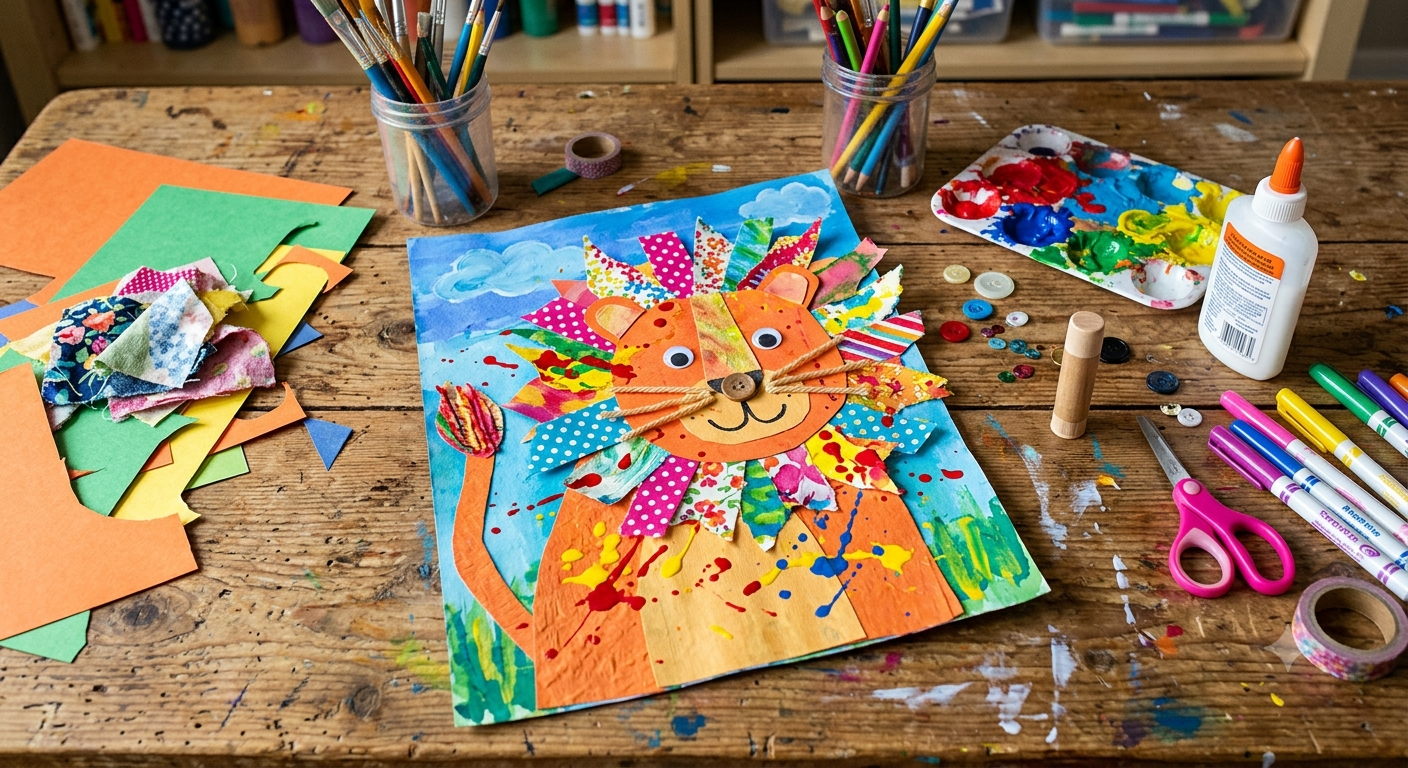
Are you looking for an engaging, hands-on art project that will captivate children across a wide age range? Teaching kids to build a mixed-media animal using paper, fabric, and paint is not only an incredibly fun activity, but it is also a fantastic way to boost their cognitive and fine motor development. Whether you are an art teacher, a homeschooling parent, or a caregiver looking for a weekend activity, this comprehensive lesson plan is designed to spark creativity in kids ages 3 to 10.
Mixed-media art—creating artwork by combining different materials—encourages out-of-the-box thinking. By layering the smooth textures of paper with the tactile feel of fabric and the vibrant splashes of paint, children learn about dimension, sensory integration, and creative problem-solving. Let's dive into this ultimate step-by-step guide to hosting a successful mixed-media animal workshop!
Why Choose Mixed-Media Art for Kids?
Before jumping into the messy, beautiful fun, it is important to understand the educational value behind this specific art lesson plan. Young artists benefit immensely from working with multiple materials simultaneously.
First, mixed media provides an incredible sensory experience. For a 3-year-old, the rough texture of burlap or the sticky feeling of wet glue is a rich tactile learning moment. For older children, deciding how to merge conflicting textures—like soft felt and crisp cardstock—exercises their critical thinking and spatial awareness.
Second, mixed-media projects are incredibly forgiving. Unlike a strict drawing lesson where a child might feel their animal doesn't look "right," a mixed-media animal thrives on abstraction and whimsy. A purple polka-dot fabric elephant with an oversized newspaper trunk? That’s not a mistake; it is an artistic choice! This helps build artistic confidence and reduces perfectionism.
Materials Needed for Your Art Lesson
To set up your crafting station, you will want to gather a variety of materials. The beauty of this project is that it primarily relies on recycled or scrap materials, making it highly budget-friendly.
For the Base and Paper Elements:
Heavyweight cardstock, cardboard, or canvas boards (to support the heavy layers of glue and paint)
Construction paper in various colors
Old magazines, newspapers, or tissue paper for varied paper textures
For the Fabric Elements:
Scraps of cotton fabric, felt, fleece, or burlap
Old ribbons, yarn, or shoelaces (great for tails and whiskers)
For the Paint and Details:
Washable tempera paints or kid-safe acrylics
Paintbrushes of varying sizes, sponges, or cotton swabs
Googly eyes, buttons, or sequins
Non-toxic liquid school glue and glue sticks
Child-safe scissors
The Step-by-Step Lesson Plan
This lesson plan is designed to take approximately 45 minutes to an hour, depending on the age group and their attention spans.
Step 1: Brainstorming and Conceptualization (10 Minutes)
Start by having a brief group discussion or one-on-one chat about animals. Ask the children what their favorite animals are and what unique features those animals have. Do they have scales, fur, or feathers? Are they long, short, round, or spiky? Encourage them to invent a brand-new hybrid animal if they wish—a "tiger-saurus" or a "bunny-bird." Have older kids sketch a quick, loose outline on their heavy cardstock base. For children ages 3 to 5, you can pre-draw a large, simple animal silhouette for them, or let them build shapes organically.
Step 2: Building the Paper Foundation (15 Minutes)
Once the idea is sketched, it is time to build the base layer. Instruct the children to cut or tear pieces of paper to fill in the main body of their animal. Tearing paper is an excellent fine motor exercise for preschoolers. They can use newspaper for a textured body, or brightly colored construction paper. Have them glue these pieces down flat onto their canvas or cardboard base to create the underlying shape.
Step 3: Layering with Fabric (15 Minutes)
Now the magic happens! Introduce the fabric scraps. Explain to the kids how fabric can act like the animal's fur, skin, or clothing. They can cut small squares of felt for scales, lay down long strips of yarn for a horse's mane, or use patterned cotton for a bird's wings. Because fabric is heavier than paper, demonstrate how to use liquid glue rather than a glue stick to ensure the pieces stick securely. This stage is highly tactile and allows children to experiment with overlapping materials.
Step 4: Bringing it to Life with Paint (15 Minutes)
The final creative step ties the whole mixed-media creature together. Once the paper and fabric layers are somewhat set, let the kids use paint to add details, backgrounds, and dimension. They can use sponges to dab green paint around the animal to simulate grass, or use fine brushes to paint stripes directly over the fabric and paper. Suggest using the back of a paintbrush or a cotton swab dipped in black paint to add dots, spots, or facial features. Finally, glue on any googly eyes or button noses to complete the character!
Age-Specific Adaptations
To make this lesson plan effective for the broad 3 to 10 age range, you will need to tweak your expectations and assistance levels.
For Toddlers and Preschoolers (Ages 3-5): Focus heavily on the sensory aspect. Pre-cut the fabric and paper into manageable shapes. Let them focus on the joy of squeezing glue and placing textures wherever they see fit. Their animal might end up looking like a beautiful, abstract blob of colors and textures—and that is perfectly fine! Emphasize the process over the final product.
For Early Elementary (Ages 6-8): Children at this age are mastering scissor skills. Allow them to cut their own shapes and encourage them to think about anatomy. Ask them, "Where do the ears go? How many legs does it need?" Challenge them to use contrasting colors—like placing blue paper next to orange fabric—to make their animal pop off the page.
For Older Elementary (Ages 9-10): Older children can handle more complex concepts. Challenge them to create a 3D effect by folding paper accordions for legs or scrunching up tissue paper under the fabric for raised textures. You can also incorporate a creative writing element: ask them to write a short paragraph on the back of their artwork explaining the animal's habitat, what it eats, and its name.
Clean-Up and Reflection
Mixed-media art can be messy, but clean-up can be part of the lesson. Have the children sort the leftover dry scraps back into their respective bins (a great sorting exercise for the younger ones) before tackling the paint and glue.
Once the artwork is dry, host a mini "art gallery." Hang the animals on a wall or prop them up on the table, and let each child proudly present their mixed-media creature. Discussing their choices of fabric, paper, and paint helps build their vocabulary and public speaking confidence.
Creating a mixed-media animal is more than just an afternoon craft; it is a gateway into artistic exploration. By combining paper, fabric, and paint, children ages 3 to 10 can express their unique perspectives while developing crucial developmental skills. Gather your scraps, pour the paint, and watch your young artists bring their wild, wonderful creatures to life!